
Yes, a hair system can cover the thinning that traction alopecia leaves behind, but it does not treat the condition or regrow hair. Traction alopecia is hair loss caused by repeated pulling on the follicles, usually along the front hairline and temples. If it is caught early and the pulling stops, hair can often recover. If it goes on for years, the follicles can scar and the loss becomes permanent, and that is where a non-surgical hair system is most useful, as cosmetic coverage.
The catch is that a hair system attaches to the hairline, so the way it is fitted matters a lot. A tight, badly placed attachment can add the same kind of tension that caused the problem. This guide explains when a system makes sense, what to check first, and how to wear one without making a sensitive hairline worse. Hair Standard fits hair systems for men in London, so everything below is written with that in mind. It is general information, not medical advice, and a GP or dermatologist should confirm the cause of your hair loss first.
“What is traction alopecia, and how do I know if I have it?”
Traction alopecia is hair loss from tension. Every time a hairstyle pulls on the roots for hours a day, the follicles are stressed. Do that for months or years and they start to give up.
For men, the usual causes are tight braids and cornrows, locs that are retightened often, man buns and ponytails pulled hard, and extensions or woven styles that add weight to the roots. It tends to show up at the front hairline, at the temples, and around the sideburns and ears, because that’s where the hair is finest and the pull is greatest.
The early signs are easy to miss. You might get tenderness after a hairstyle, small red bumps or flaky patches along the hairline, and hairs that snap instead of falling out whole. Later you’ll see the hairline creeping back, thin or bare patches at the temples, and sometimes a thin line of short hairs left standing right at the edge. That last one is a clue dermatologists look for.
Please don’t self diagnose. Male pattern baldness, alopecia areata and some scalp infections can all look similar. A GP or a dermatologist can tell you which one you’re dealing with, and that answer changes what you should do next.
“What does traction alopecia look like at each stage?”
It creeps in, which is why so many men notice late.
At the start there’s usually no visible loss at all. The hairline feels tender or tight after a hairstyle, you might see small bumps around the follicles, and a few extra broken hairs collect on your pillow or comb. Skin along the front can look slightly red.
In the middle stage the hair starts to thin along the edges. The temples recede a little, the front hairline looks less even, and short, fine hairs replace the thicker ones. This is still often reversible, provided the pulling stops.
In the late stage the skin along the hairline looks smooth and shiny because the follicles have gone. Regrowth is unlikely from this point, since scar tissue has taken over. That’s the stage where most men start looking at coverage options, but anyone can speak to a doctor much earlier, and it’s better if they do.
“Can a hair system actually help with traction alopecia?”
It can help with how you look, and often quite a lot. Traction alopecia is one of the types we cover on our hair system for alopecia page. A hair system is a thin base with hair attached, fitted over the thinning area and blended into whatever hair you still have. Because it covers the area from the outside, it doesn’t matter whether the hair underneath is thin, patchy or gone.
What it does not do is treat the loss. It won’t regrow hair, it won’t heal scarring, and it won’t stop the condition if the cause is still there. Think of it as a way to get the look back, not a treatment.
It also isn’t right for everyone, or right straight away. If the skin along your hairline is inflamed, sore, infected or scabbing, wait. Anything stuck to the scalp in that state can make it worse, and the underlying problem needs treating first. Once the skin has settled and a clinician is happy, a system becomes a much safer option.
If you’re new to all this, our guides on what non-surgical hair replacement systems are and whether hair replacement systems work cover the basics.
“Won’t a hair system just pull on my hairline again?”
It can, if it’s done badly. This is the question we’d want every person with traction alopecia to ask before they book anything.
Most systems are held on with tape or adhesive along the hairline. Those attachments sit in exactly the area that’s already weak. If the system is pulled tight, attached in the same spot every single time, or removed roughly, the hairline takes a beating all over again. Some clip on styles and any method that involves braiding or sewing to your own hair are worse still, because they create the very tension that caused the loss.
That’s why the attachment method matters more than the hair itself. A good fitter will use gentle attachment, keep tension low, and avoid anchoring everything to the most fragile hairs. They’ll also ask about your history, so tell them about the braids or the man bun. It changes what they recommend.
A few things are worth asking any provider directly. What attachment do you use along the hairline? How is the system removed, and what do you use to loosen it? How often will it come off for cleaning? If the answers are vague, keep looking.
“When is it too early to get a hair system?”
If you still have active irritation, it’s too early. That means redness, tenderness, pustules, scabs or an itchy flaking scalp along the hairline. Get it looked at by a GP or a dermatologist, treat it, and give the skin time to calm down before anything is stuck near it.
There’s also a case for waiting if you’re still wearing the same tight styles. A hair system won’t fix the pulling, and in that situation it can just add another source of tension. Changing the hairstyle usually has to come first.
“Will my hair grow back if I stop wearing tight styles?”
Sometimes, yes. In the early stages, when the follicles are stressed but not scarred, hair can grow back once the tension is gone. It isn’t quick. Hair grows slowly, so you’d be talking months rather than weeks, and how much comes back depends on how long the damage went on.
Once scarring sets in, regrowth becomes unlikely, because the follicle has been replaced by scar tissue. A dermatologist can tell you which stage you’re at. If they say the loss is permanent, that’s when the options are a hair system, a hair transplant or simply accepting the hairline as it is.
“Which hairstyles cause the most damage, and what should I switch to?”
Anything that pulls hard on the same hairs for long periods. Tight cornrows and braids, especially with added extension hair, are near the top of the list. Locs that get retightened at the roots too often, man buns pulled hard every day, and tight ponytails that leave the temples aching by the evening all do it too.
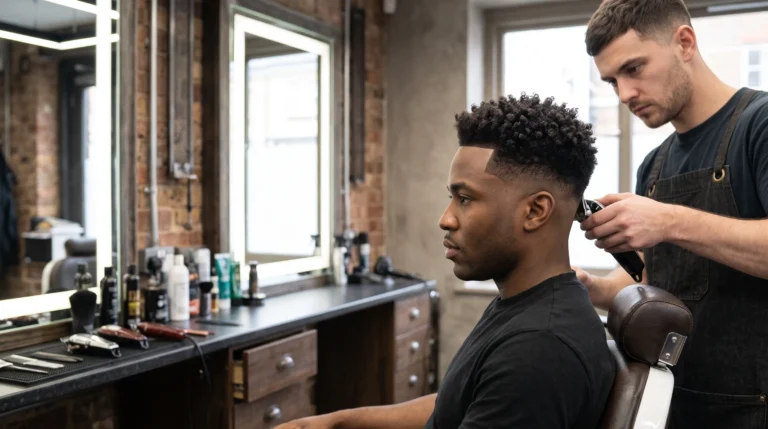
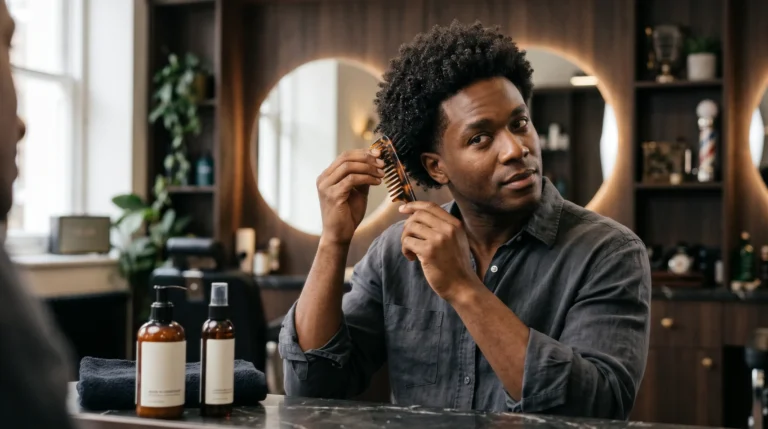
The fix is to reduce the tension, not necessarily to give the style up completely. Looser braids, longer gaps between retightening, moving the position of a bun or ponytail so it doesn’t pull on the same spot, and giving your scalp a break between styles all take pressure off. If a style hurts while you’re wearing it, that’s your hairline telling you it’s too tight. A barber or hairdresser who works with these styles can usually adjust them so the tension sits further back from the front.
“Which part of the head does a hair system cover with traction alopecia?”
Usually the front. Traction alopecia most often hits the frontal hairline and temples, so that’s where the coverage matters most. The system is cut and shaped so the front edge follows a natural hairline, and the rest blends into your own hair on the sides and back.
The blending is where quality shows. If you still have healthy hair around the edges, it’s matched to the system’s colour, density and direction so there’s no obvious join. Our guides on how to make a hair system look more natural and why a hair system can look fake explain what to look out for.
“Is a system worth it if only my temples have thinned?”
It can be, but it’s worth being honest about it. When the loss is limited to the temples or the front corners, a full system can feel like a lot to take on, and a smaller piece may cover the area with less attachment along the hairline. What suits you depends on how much of your own hair is left, how it’s distributed and how healthy the skin is. Our non-surgical hair extension patch guide explains the smaller options, and a consultation will tell you which one fits your situation.
“Will people notice I’m wearing one?”
Not if it’s well made and well fitted. The two things that give a system away are an unnatural hairline and hair that doesn’t match your own in colour or density. A soft, slightly irregular front edge and careful blending are what make the difference. Have a look at why a hair system doesn’t look natural in photos if you’re worried about how it looks in real life.
“How do I wear a system without damaging my hairline further?”
Treat the hairline gently, because it’s already been through enough. That comes down to a handful of habits rather than any secret.
Keep the attachment snug but never tight. If the skin feels pulled, red or sore after wearing it, that’s a warning sign, not something to put up with. Avoid pulling at the front edge when you style or adjust it. Use the right remover to loosen adhesive instead of yanking it off, and give your own hair and skin a proper look every time the system comes off. If you notice new irritation, stop and get advice.
Cleaning and upkeep matter too, because product build up and sweat cause itching and lifting, and a system that lifts tempts you to press it down harder. Our guides to how to maintain a hair replacement system, how to clean a hair system, why a hair system itches and hair system lifting at the hairline go through each of these. If you want to know about day to day life, see can you sleep in a hair system and can you shower with a hair system. For regular checks and servicing, our hair system maintenance in London page explains how it works.
“What are the signs my hairline is reacting badly to the system?”
Trust what your skin is telling you. New redness or soreness along the edge, itching that doesn’t settle, small spots or bumps, hairs breaking near the front, or a feeling of tightness are all reasons to stop and get it checked. Don’t push through it and hope it improves, because the hairline you’re protecting is the one that’s already weak.
If something looks wrong, take the system off, avoid scratching, and speak to your provider and your GP. A well run provider would rather hear about a problem early than have you quietly struggle for weeks.
“What about a hair transplant instead?”
A transplant is a real option for some people, but it isn’t simple with traction alopecia. Where the follicles have scarred, the skin isn’t as welcoming to transplanted hair, and it needs a specialist to judge whether it will take. It’s also surgery, with recovery time, and it depends on having enough healthy donor hair elsewhere.
A hair system doesn’t need surgery and can be adjusted or replaced, which is why many men start there. Some later add a transplant, and some never do. We compare both properly in hair replacement system vs hair transplant.
“Human hair or synthetic if my hairline is sensitive?”
The hair type affects how the system looks and lasts, but with a sensitive hairline, the base and the attachment matter more than the hair fibre. Skin reacts to adhesives and materials, so mention any sensitivity at your consultation and ask about a patch test. Our comparison of human hair vs synthetic hair replacement systems covers the differences, and types of hair replacement systems shows the base options.
“How much does it cost, and how long does one last?”
It depends on the system, the hair, the base and how often it’s serviced, so it’s hard to give one number honestly. Our hair system prices page lays out what to expect. How long a system lasts depends on how it’s cared for and how you live in it, and how long hair replacement systems last goes into the detail. If you want to know whether it’s worth it, read is a hair system worth it for male pattern baldness for the wider picture.
“What happens at a consultation in London?”
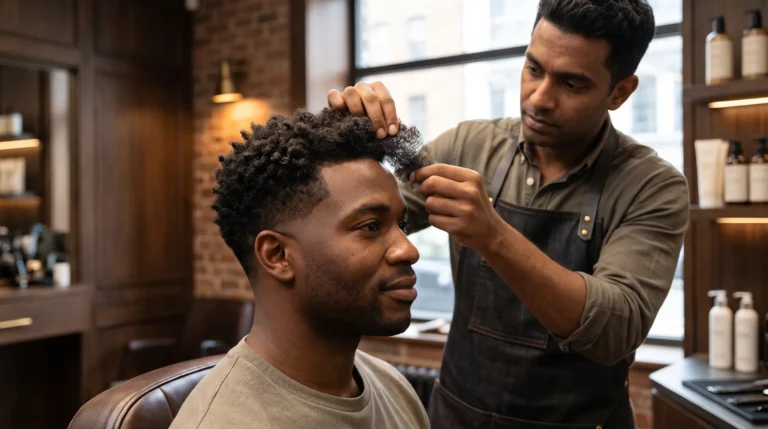
You talk, and someone looks properly at your hairline. We ask about your hairstyles, how long the loss has been going on, any irritation, and what you want to achieve. We look at the condition of the skin and the hair that remains, and we tell you honestly whether a system makes sense now, needs waiting, or should come after a visit to your GP.
If it does make sense, we go through the options for the base, the hair and the attachment, with a focus on keeping tension off the hairline. Our process page shows the steps, and getting your first hair system explains what to expect at the start. You can also see what other clients say on our reviews page and read more about Hair Standard.
Hair Standard works with men, and our non-surgical hair replacement in London page and hair systems page describe what we offer. For men in the capital, the hair replacement systems for men in London guide and best hair systems in London are good places to start. Ready to talk? Contact Hair Standard.
Quick answers
Does a hair system cure traction alopecia? No. It covers thinning cosmetically. It doesn’t regrow hair or treat the cause.
Can a hair system make traction alopecia worse? It can, if it’s fitted tightly, attached in the same place every time, or removed roughly. Low tension attachment is the key.
Should I see a doctor first? Yes. A GP or dermatologist should confirm the cause, and treat any active irritation before anything is attached to the scalp.
Will my hair grow back? Sometimes, if the loss is early and the tension stops. If scarring has set in, regrowth is unlikely.
Which men get traction alopecia? Mostly those who wear tight braids, cornrows, locs, man buns, ponytails or extensions for long periods.
Is a hair system better than a transplant here? Neither is better for everyone. A system needs no surgery, while a transplant depends on the condition of the skin and available donor hair.
Does Hair Standard fit systems for women? No. Hair Standard works with men.
Talk to us before you decide
If your hairline has thinned from tight styles and you want to know whether a hair system is an option, book a consultation. We’ll look at your hairline, ask about your history and tell you honestly what makes sense. Get in touch with Hair Standard.
More reading: Hair system for crown thinning, are hair replacement systems good, why is my hair system shedding, hair system matted, how to fix, why is my hair system losing colour, hair system doesn’t look natural in photos, non surgical hair extension patch guide, hair replacement blog
SEO details (do not publish)
Slug: /can-a-hair-system-help-with-traction-alopecia/
Meta title: Can a Hair System Help with Traction Alopecia? | Hair Standard London
Meta description: Can a hair system help with traction alopecia? Learn when it works, what to avoid and how to protect your hairline. Men’s consultations in London.
Primary keyword: hair system for traction alopecia
Secondary keywords: traction alopecia hair replacement, traction alopecia men London, hair system hairline thinning, non surgical hair replacement traction alopecia
Traction Alopecia & Hair System FAQs
Is traction alopecia the same as male pattern baldness?
No. Male pattern baldness is genetic and hormonal, while traction alopecia is caused by repeated physical pulling or tension on the hair. You can have both at the same time, which is why getting the cause of your hair loss properly assessed is important.
Can traction alopecia be reversed?
In the early stages, traction alopecia can often improve if the source of tension is stopped. Once the follicles have become scarred, regrowth is less likely. A dermatologist can assess the condition of your scalp and advise on the appropriate treatment.
How long does hair take to grow back after stopping tight styles?
Hair regrowth usually takes months rather than weeks and varies from person to person. Hair grows relatively slowly, so patience is important after stopping tight hairstyles. Your doctor can give you a more personalised idea based on the condition of your hair and scalp.
Does a hair system cause traction alopecia?
It can contribute to traction if it is fitted too tightly, attached to the same area repeatedly or removed roughly. A properly fitted system with low tension can reduce this risk. Always tell your provider if you have an existing hairline or scalp concern.
Can I get a hair system if the skin at my hairline is scarred?
Often, yes, once a clinician has confirmed that the skin is healthy and settled. Scarred areas can be more delicate, so gentle attachment and careful fitting are particularly important. Mention any scarring during your consultation so the fitting can be planned appropriately.
Should I see a doctor before booking a hair system consultation?
If you are unsure what is causing your hair loss, seeing a GP or dermatologist first can help confirm the cause and address any irritation, inflammation or infection. Once the underlying issue has been assessed, a hair system consultation can focus on what may suit your hairline and goals.
Can I wear a hair system while my own hair is growing back?
Sometimes. A hair system may be suitable while your own hair is regrowing, provided your scalp is healthy and the attachment does not place unnecessary tension on the hairline. If regrowth is your priority, discuss your treatment and hair system options with your doctor and provider first.
Will a hair system hide a receding hairline caused by braids?
A hair system can cover areas of thinning or recession at the front hairline and temples while blending into the surrounding hair. How natural the result looks depends on the system, hairline design, density, colour match and quality of the fitting.
What should a hair system feel like on a sensitive hairline?
It should feel secure but comfortable. If the system feels tight, pulls the skin or leaves your hairline sore, tell your provider rather than trying to get used to it. The fitting and attachment should be adjusted to minimise unnecessary tension.
Is there a gentlest type of hair system attachment?
There is no single attachment method that suits everyone because skin and scalp sensitivity vary. Tell your provider about any previous reactions or sensitive areas and ask about suitable attachment options. Where appropriate, a patch test may also be discussed.
How often does a hair system need to come off?
It depends on the attachment method, your lifestyle and how your scalp behaves. Your provider can recommend an appropriate maintenance schedule. Regular removal allows the system and scalp to be cleaned and the hairline to be checked. See our guide to how to maintain a hair replacement system.
Can I sleep, shower or exercise in a hair system?
Generally, yes, although your routine may need some adjustments depending on the system and attachment method. For more practical guidance, see our guides on sleeping in a hair system and showering with a hair system.
How much does a hair system cost in London?
The cost depends on the system, hair type, base material and ongoing servicing required. See our hair system prices guide for more information, and our guide to whether a hair system is worth it for male pattern baldness.
How long does a hair system last?
How long a hair system lasts depends on the system itself, how it is maintained and your lifestyle. Regular servicing and careful aftercare can help extend its usable life. See our guide to how long hair replacement systems last for more detail.
Does The Hair Standard fit hair systems for women?
No. The Hair Standard specialises in hair systems for men, with consultations and fittings focused on men’s hair loss, hairlines and styling requirements.
Talk to us before you decide
If your hairline has thinned from tight styles and you want to know whether a hair system is an option, book a consultation. We’ll look at your hairline, ask about your history and tell you honestly what makes sense. Get in touch with Hair Standard.
More reading: Hair system for crown thinning, are hair replacement systems good, types of hair replacement systems, human hair vs synthetic hair replacement systems, why is my hair system shedding, hair system matted, how to fix, why is my hair system losing colour, hair replacement blog