
Four things usually explain a hair system that won’t stay down. The scalp wasn’t properly prepped before it went on. The adhesive doesn’t actually suit your skin or your lifestyle. You’ve worn it past its cycle. Or moisture and oil have quietly broken the bond underneath, and you only notice once it’s already lifting. None of these mean the system’s faulty. They’re annoying, sure, but they’re fixable once you actually know which one you’re dealing with.
So let’s go through it properly. Why the bond fails, what’s really behind lifting edges, and what actually changes things.
Why does my hair system keep lifting at the edges?
This is the one we hear most. And it’s almost never the system itself, it’s prep or product. The edges are the thinnest part of the bond, so they go first whenever something’s slightly off. A bit of oil left on the skin. Some trapped moisture. Adhesive that’s simply run its course.
Heat and sweat make it worse, obviously. If you train, or it’s just a warm week, the edges tell you first, often days before anything else shifts. We’ve written more specifically about hair systems lifting at the hairline if that’s exactly what’s happening to you right now.
Could it actually be the adhesive, not how I’m applying it?
Sometimes, yes, genuinely. Not every adhesive works for every skin type. Oily skin needs a different bond strength to dry skin. Someone training five days a week needs something a lot tougher than someone sat at a desk most of the day. Using the wrong adhesive for your situation is one of the most common reasons a system holds brilliantly for one guy and fails fast for another, even on an identical base.
And adhesives expire. An old tape or liquid bond that’s been sitting around, or stored badly, just won’t hold the way a fresh one does. Doesn’t matter how carefully you apply it.
Is it my skin, or is it the product?
Could genuinely be either. Or both at once. Sebum production varies hugely between people, and more of it breaks bonds down faster. That’s exactly why two men can use the same product, the same technique, and get completely different wear times. Not something to guess your way through at home, honestly. It’s exactly the kind of thing worth raising at a consultation, because matching adhesive to skin type properly makes more difference than most people expect.
What actually causes the bond to fail?
A handful of specific things, over and over.
- Skin that wasn’t properly cleaned and degreased first. Any trace of oil, old adhesive, or leftover product stops the new bond from ever really taking. Honestly, this is probably the single biggest cause we see, and it’s the most preventable one too.
- The wrong adhesive for your skin or activity level, as above. You end up fighting the product from day one.
- Wearing it past the recommended cycle. Every method has a realistic window before it needs redoing. Push past it and you’re asking for trouble, especially at the edges.
- Moisture getting underneath. Sweat, humidity, swimming, not drying the hairline properly after a shower. It works its way under the edge gradually, often with no warning until it’s already lifting.
- Buildup on the base itself. Oils, styling products, everyday grime, all of it collects on the underside over time and stops the base sitting flush, even with fresh adhesive.
Does maintenance actually affect how well it sticks?
Massively. This is the bit people underestimate most. A properly maintained system holds noticeably better than one that isn’t, because a clean base and a clean scalp are what actually let the adhesive do its job. Our full guide on maintaining a hair replacement system and our page on cleaning a hair system both cover the routine that keeps things holding, rather than fighting a losing battle every single reattachment.
Can I shower or sleep in it without wrecking the bond?
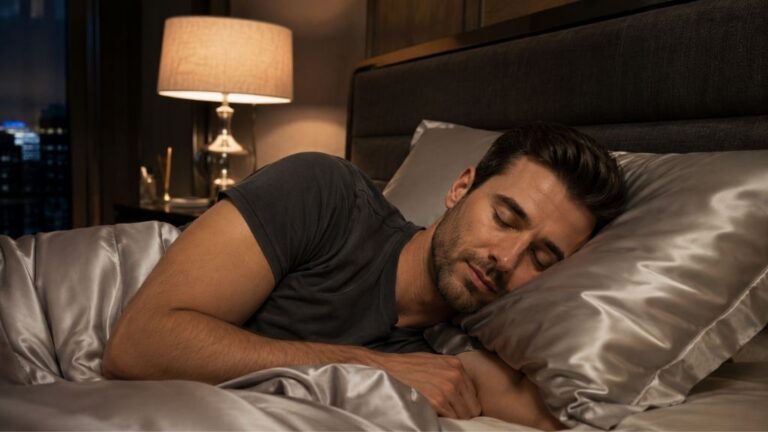
You can, within reason, and doing it properly matters more than people think. Showering the wrong way, or sleeping in a position that puts constant friction on one edge, are both common reasons for early lifting. Our guides on showering with a hair system and sleeping in a hair system cover how to do both without undoing the work of a fresh application.
If it’s matted too, is that the same problem?
Not exactly the same issue, but they show up together a lot, because both usually point toward the system being overdue for proper maintenance. A matted system is often also carrying buildup that affects the base underneath, which loops straight back to the bonding problem above. Worth reading our guide on fixing a matted hair system alongside this one if you’re seeing both at once.
Why does it sometimes look fake even when it’s actually stuck down properly?
Different problem, but related enough to mention, because a lifting edge is one of the more common reasons a system suddenly looks less natural than it did on day one. Our piece on why a hair system can look fake and our separate guide on systems that don’t look natural in photos both cover this from the appearance side, and it often traces back to the exact same bonding and maintenance issues.
Is shedding connected to a bad bond too?
Usually separate things. Shedding’s about hair loss from the system itself, not the base lifting off the scalp. But a system that’s not sitting right can make shedding more noticeable, simply because it’s moving around more than it should. Our guide on why a hair system might be shedding covers that specific issue if it’s what you’re actually seeing.
Does the type of system or hair make a difference to how well it sticks?
A bit, yes. The base material affects how adhesive sits against it, which is part of why getting matched to the right system in the first place matters so much down the line. Our guide to the different types of hair replacement systems and our comparison of human hair versus synthetic systems both go into how these choices play out for day to day wear, adhesive included.
Should I just get a hair transplant instead if this keeps happening?
Some men do think about it, and it’s a fair question. But it’s worth knowing it’s a genuinely different solution to a genuinely different problem. No adhesive involved at all, so bonding issues simply stop being relevant, but it’s a much bigger surgical and financial step, with its own set of considerations. Our comparison of hair replacement systems versus hair transplants lays it out properly, if this is genuinely on your mind and not just a frustrated reaction to a bad week with the adhesive.
Is a hair system even worth it if this keeps happening?
Almost always, yes, once you’ve actually found the real cause, which is nearly always prep, product matching, or maintenance rather than anything wrong with wearing a system at all. Our honest look at whether hair replacement systems actually work and whether they’re genuinely any good covers this properly, downsides included, rather than just selling you on it.
What should I actually do if mine isn’t sticking right now?
Book a proper check. Don’t just keep piling more adhesive on at home. A short consultation usually identifies pretty quickly whether it’s prep, the wrong adhesive for your skin, or something in your maintenance routine, and each one has a genuinely different fix. If you’re newer to wearing a system, our guide on getting your first hair system and our full process page both cover what proper fitting and aftercare are actually meant to look like, useful to compare against if something currently feels off.
Worth checking cost honestly too, against what you’re already spending on repeat fixes. Our hair system prices page sets it out clearly, and getting the adhesive and process right the first time is almost always cheaper than troubleshooting a bad match over and over.
London Men We Help With This
We see this constantly across London, often from men who’ve been using the wrong adhesive for their skin for months without realising that’s actually the problem. Our hair system maintenance guide for London covers our local aftercare service, and our hair replacement systems for men London guide and non surgical hair replacement page for London cover what we offer more broadly. Our reviews page has honest feedback from men who’ve been through exactly this kind of troubleshooting with us, and you can read more about who we are or browse our full hair systems page if you’re comparing options.
Hair System Not Sticking FAQs
Why does my hair system come loose faster in summer?
Heat and sweat can break adhesive down faster, and summer brings plenty of both. Shorter wear time in warmer months may mean you need a stronger, sweat-resistant adhesive suited to that period.
Can I just add more adhesive to a lifting edge as a quick fix?
It may work as a short-term fix, but layering fresh adhesive over an already compromised bond rarely provides a reliable long-term hold. It is usually better to remove the system properly, clean the area and reapply it from scratch.
How often does a hair system actually need reattaching?
It depends on the adhesive, attachment method and your individual wear routine. Many systems need to be removed, cleaned and reattached somewhere between one and three weeks, although your provider can recommend a schedule that suits you.
Does washing it too often stop it sticking?
Not usually. In fact, not washing the system and scalp properly can allow oil and product buildup to affect the bond. Washing incorrectly can also cause problems, so the important thing is following the correct cleaning routine rather than simply washing less often.
Can stress or diet affect the bond?
Indirectly, they may. Stress and changes in diet can sometimes affect sweating or natural oil production, which may influence adhesion. However, they are rarely the main reason a hair system is not sticking, so it is worth checking the more direct causes first.
Is it normal for one side to lift before the other?
Yes, it can happen. Sleeping position, your parting and even the way you towel dry your hair can place more repeated stress on one side. If this keeps happening, mention it during maintenance so the attachment method can be adjusted if necessary.
Should I skip the gym if I’m having sticking problems?
Not necessarily. If exercise and sweating are affecting the bond, you may need an adhesive that is better suited to your activity level and exposure to sweat and water. Discussing your normal exercise routine during a consultation can help determine the right attachment approach.
Could old adhesive actually be the problem?
Yes. Adhesives have a shelf life, and products that are past their best or have not been stored correctly may hold less effectively. If your application routine has not changed but the bond has suddenly become weaker, checking the adhesive is worthwhile.
Does who applies it matter as much as the product itself?
Application technique can make a significant difference. Scalp preparation, the amount of adhesive used and allowing the bond enough time to cure can all affect how securely a system holds, regardless of the adhesive being used.
Will it ever stick as securely as natural hair grows?
A properly fitted hair system can feel very secure during everyday activities, but it is still a bonded attachment rather than biological hair. It therefore needs periodic maintenance and reattachment, which is a normal part of wearing a hair system.
Can I switch adhesive brands if mine isn’t working?
Yes. If scalp preparation and maintenance have been checked and the bond is still failing, trying a different adhesive may be appropriate. Different products can suit different skin types, sweat levels and attachment requirements.
Is it worth getting a professional opinion instead of troubleshooting alone?
Yes, particularly if you have already tried the obvious fixes. A professional can assess your scalp, system, adhesive and application routine to identify what is affecting the bond instead of relying on trial and error.
Can a scalp protector or liner actually help?
For some men, it can. A scalp protector or suitable liner may help when excess oil or scalp sensitivity is affecting comfort and adhesion. Your provider can advise whether one is appropriate for your scalp and attachment method.
Does how it’s cut and styled affect the stick?
Styling itself does not directly affect the adhesive bond, but a heavier or longer hairstyle can place more weight and leverage on the edges during normal movement. If you recently changed your style and started noticing more lifting, it is worth mentioning during maintenance.
Could it ever be the system’s fault, not the adhesive or skin?
Occasionally. A base that has become damaged, stretched or heavily affected by old adhesive may no longer hold properly. This is less common than issues with preparation, adhesive or maintenance, but it is worth checking if those factors have already been ruled out.
Talk to Us About Your System
If your hair system isn’t holding the way it should, get in touch through our contact page and we’ll take a proper look at what’s actually going on, rather than just sending you home with more adhesive.